
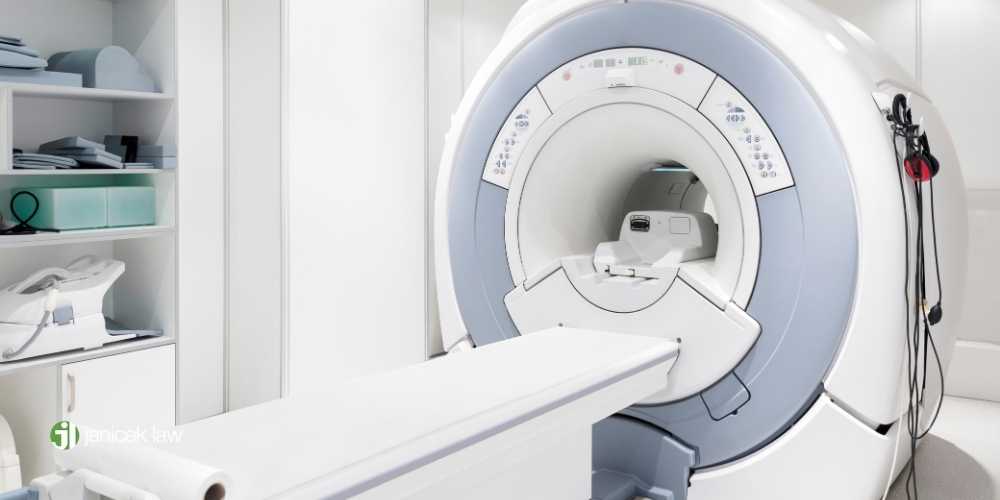
Algunos pacientes de Texas a quienes se les ha diagnosticado la enfermedad de Alzheimer pueden en realidad estar sufriendo pérdida de memoria relacionada con una lesión cerebral traumática. Según un nuevo estudio que incluyó a 40 pacientes médicos con una edad promedio de 68 años, hasta 21% de pacientes mayores que tienen demencia podrían ser diagnosticados erróneamente con Alzheimer. La Asociación de Alzheimer ha informado que hasta el 40% de los casos de demencia son el resultado de una afección distinta del Alzheimer.
El riesgo de diagnóstico erróneo, según el estudio, se puede mitigar con el uso de resonancias magnéticas. Uno de los autores, investigador de la UCLA, dijo que el estudio fue diseñado para determinar si las resonancias magnéticas podrían usarse para encontrar ciertos lesión cerebral traumática anormalidades. En el estudio, las exploraciones mostraron que los pacientes con lesión cerebral traumática probablemente tengan más daño cerebral en el diencéfalo ventral que en el hipocampo. La primera área del cerebro es responsable de las emociones y el aprendizaje, mientras que la segunda está asociada a la memoria y es la más afectada por el Alzheimer. El estudio implicó examinar imágenes por resonancia magnética con software especializado.
Los Centros para el Control y la Prevención de Enfermedades de EE. UU. informaron que aproximadamente 2,9 millones de personas en todo el país experimentaron una lesión cerebral traumática en 2014. Las tasas más altas de lesión cerebral traumática se encuentran entre las personas de 75 años o más.
Un diagnóstico erróneo médico puede provocar lesiones y reclamaciones por daños y perjuicios. Las personas en Texas que se han visto perjudicadas por un diagnóstico erróneo tal vez quieran hablar con un Abogado de diagnóstico erróneo médico de San Antonio con respecto al potencial demandas por negligencia. Un abogado podría ayudar examinando los hechos del caso, entrevistando o declarando a los testigos y construyendo un caso para el juicio. En algunos casos, un abogado puede negociar un acuerdo extrajudicial en nombre del cliente.
When to File an MRI Lawsuit in Bexar County
MRI Hearing Loss Lawsuit
An MRI hearing loss lawsuit is a legal claim filed by a patient who suffered permanent or severe hearing damage after undergoing a magnetic resonance imaging (MRI) scan. These lawsuits typically allege that:
- The MRI machine emitted dangerously high noise levels (often over 110–130 decibels)
- Proper hearing protection (earplugs or earmuffs) was not provided, was defective, or was improperly fitted
- The facility or medical staff failed to warn the patient about the risks of acoustic trauma during the scan
- The manufacturer did not adequately address noise risks in the machine’s design or instructions
Common allegations include medical negligence, product liability, and failure to warn. Symptoms reported in these cases include tinnitus (ringing in the ears), sensorineural hearing loss, and hyperacusis (sound sensitivity). Many lawsuits focus on elderly patients or children, who may be more vulnerable if sedated or unable to adjust protective devices on their own.
MRI Contrast Dye Lawsuit
An MRI contrast dye lawsuit is a legal claim filed by patients who suffered serious side effects or injuries after receiving gadolinium-based contrast agents (GBCAs) during an MRI scan. These lawsuits typically involve the following allegations:
- Failure to warn about the risks of gadolinium retention in the body
- Long-term side effects such as gadolinium deposition disease (GDD) in patients with normal kidney function
- Development of nephrogenic systemic fibrosis (NSF) in patients with impaired kidney function
- Manufacturer negligence in disclosing the full risks, despite growing evidence of gadolinium buildup in the brain, bones, and tissues
- Use of linear gadolinium agents, which are less stable and more likely to cause retention compared to macrocyclic types
Common symptoms cited in these lawsuits include bone and joint pain, skin thickening, brain fog, burning sensations, and muscle weakness. Defendants often include major manufacturers such as GE Healthcare, Bayer, and Bracco. Many cases argue that patients would have declined the contrast or chosen a safer agent if fully informed.
What are the Steps to File a Medical Malpractice Lawsuit for a Misread MRI?
Steps to file a medical malpractice lawsuit for a misread MRI:
- Request and Review Medical Records: Obtain full MRI imaging, radiology reports, doctor notes, and treatment history. A misread MRI must be documented and traceable.
- Get an Independent Medical Review: Hire a qualified radiologist or medical expert to review the MRI and confirm that the misinterpretation deviated from standard medical practice.
- Confirm the Standard of Care Was Violated: Prove that a competent radiologist or physician would have correctly read the MRI under similar circumstances.
- Establish Causation and Harm: Show that the misread MRI directly caused delayed diagnosis, incorrect treatment, progression of disease, or other measurable harm.
- Hire a Medical Malpractice Attorney: Choose a lawyer with experience in radiology errors and diagnostic malpractice to handle evidence, filings, and deadlines.
- Comply With Pre-Lawsuit Requirements: Some states require a certificate of merit or expert affidavit before filing. Deadlines and notice periods vary by jurisdiction.
- File the Lawsuit Within the Statute of Limitations: File before the legal deadline expires, which is typically 1–3 years, depending on the state and discovery of harm.
- Begin Discovery and Litigation: Once filed, both parties exchange documents, conduct depositions, and prepare for trial or settlement.
Can You Sue Your Insurance Company For Denying MRI in Texas?
Yes, you can sue your insurance company in Texas if they wrongfully deny coverage for a medically necessary MRI.
Start by going through the required appeals process. This usually includes an internal appeal with your insurer and, if that fails, an external review by an independent third party. For workers’ compensation claims, Texas insurers must respond to MRI requests within three business days. If denied, you may request reconsideration or submit the dispute to an Independent Review Organization.
Texas law prohibits insurance companies from engaging in unfair settlement practices such as delaying decisions, misrepresenting coverage, or making lowball offers to avoid paying valid claims. These practices may qualify as violations of the Texas Insurance Code.
If your insurer continues to deny the MRI without justification after appeals are exhausted, you may have grounds to sue for breach of contract or bad faith. Breach of contract means they failed to follow the terms of your policy. Bad faith means they mishandled or denied your claim without a reasonable basis.
You can also file a complaint with the Texas Department of Insurance, which investigates consumer complaints and enforces insurance laws.
In short, if the denial was improper and the appeals process failed, you have legal options to challenge the insurer in court.
How to Get MRI Misdiagnosis Compensation in Bexar County, Texas?
If you suffered harm from an MRI misdiagnosis in Bexar County, you may be entitled to compensation through a medical malpractice claim. Start by gathering all medical records related to your MRI, including the scan itself, the radiology report, and your treatment history. These records are necessary to prove what was missed and how it affected your care.
Next, have a qualified medical expert independently review your MRI. This expert must confirm that the radiologist or physician failed to meet the standard of care and that the misdiagnosis directly caused you harm, such as delayed treatment, unnecessary procedures, or worsened health outcomes.
Texas law requires that you file a medical malpractice lawsuit within two years of the date the misdiagnosis occurred or the date you discovered it. You must also serve an expert report within 120 days after the defendant files an answer to your lawsuit. This report must explain how the provider was negligent and how that negligence caused your injury.
You can file a claim against any healthcare provider or facility responsible for the error, including radiologists, imaging centers, or hospitals. Compensation may include economic damages like medical bills and lost income, as well as non-economic damages such as pain, suffering, and reduced quality of life. Texas caps non-economic damages at $250,000 per provider and $250,000 per facility, but economic damages are not capped.
To move forward, work with a medical malpractice attorney who handles diagnostic errors and understands the local court procedures in Bexar County. They can help build your case, meet all legal deadlines, and pursue the maximum compensation allowed under Texas law.
Contacte con un San Antonio medical negligence attorney at Janicek Law to schedule a free consultation.
 English