
Airbags may be life-saving features in all modern vehicles, but they also pose a risk for serious injuries. Faulty or defective airbags can hurt you and your family. Failure to deploy, late deployment, or early deployment can all cause more harm than good, especially in the case of a severe auto accident. Airbag injuries can cause lacerations, broken bones, and chemical burns, on top of other injuries from your car accident.
If you or a loved one has sustained an injury from an airbag, you may be entitled to compensation for your injuries. Money will not magically heal your injuries, but it can help you get the resources you need to recover. In this article, we’ll go over how airbags work and the common injuries they cause. We’ll also go over the steps to take after an airbag injury. The San Antonio personal injury advocates at Janicek Law can support you and your family during this difficult time. To learn more about our legal services, call us today at 210-366-4949.
How Do Airbags Work?
Airbags are inflatable cushions that work in conjunction with seat belts to protect drivers and passengers. These cushions help prevent vehicle occupants from hitting the hard interior of the vehicle. These cushions also help control movement and prevent the driver and passengers from being tossed around the vehicle. Frontal airbags were widely adopted for use in passenger vehicles in 1987, but were not legally mandated until 1999. Airbags reduce driver fatalities and have helped prevent more than 50,000 deaths, according to the National Highway Traffic Safety Administration. In most vehicles, driver frontal airbags are located in the steering wheel, and passenger airbags are in the dashboard. Virtually all vehicles manufactured after 2014 also have side airbags.
When the crash sensor detects an impact, it will determine the severity of the impact and decide to deploy the airbags. The airbag deploys in as little as 1/20th of a second. The signal from the crash sensor fills the cushion with gas and deflates shortly after. Crash sensors in newer vehicles have a seat belt sensor that affects airbag deployment as well. If no one is wearing a seatbelt, driver and passenger airbags will deploy at a lower threshold. In most vehicles, airbags will deploy for unbelted occupants at speeds as low as 10-12 miles per hour. Belted occupants will have airbag deployment at closer to 16 miles per hour, since the seatbelt is often enough to prevent injury at lower speeds.
If you’ve suffered serious airbag injuries, a San Antonio car crash lawyer can help you secure recovery for medical bills, lost wages, and more.
Common Causes of Airbag Deployment Injuries in Texas
Airbags can cause injuries in a number of ways. Some of the common causes of airbag injuries include:
- Airbag deploys too late after a crash
- Airbag deploys when no crash detected
- Airbag contains shrapnel
- Airbag doesn’t deploy after a collision
- Not all airbags deploy adequately
Airbags deploying too late or too soon can cause severe injuries. The closer you are to the airbag, the more likely you will be injured by the 200-mile-per-hour airbag.
Common Types of Airbag Injuries
Airbags can cause everything from minor injuries to severe internal injuries. After a vehicle accident where the airbag is deployed, it’s important to seek medical attention to determine the full scope of your injuries. Common airbag injuries include catastrophic injuries like traumatic brain injuries, chest injuries, broken bones, and chemical burns. Below, we go more in-depth about each type of injury.

Head Injuries From Airbag Deployment
Any kind of head injury is a serious injury. The brain is an incredibly delicate organ that controls everything in your body, from motor function to memory and emotional regulation. The extreme force from an airbag can knock your head back or sideways, potentially causing a traumatic brain injury (TBI). This may include concussions, brain bleeds, or diffuse axonal injuries. These conditions sometimes go unnoticed for days, especially when symptoms like headaches, confusion, dizziness, or nausea are mistaken for general soreness after a crash. That’s why it’s critical to seek medical attention immediately, even if symptoms seem mild.
The force from an airbag can also cause whiplash, a soft tissue neck injury that may result in chronic pain, stiffness, or reduced mobility. In more severe cases, such as Texas claw clip car accidents, the combination of head impact and neck trauma can cause lasting neurological deficits or cognitive impairments. If you or a loved one sustained a head or neck injury in a vehicle accident involving airbag deployment, a San Antonio brain injury lawyer from our legal team can help. We investigate crash dynamics, consult with medical experts, and pursue full compensation for long-term care, lost wages, and pain and suffering.
Airbag Injuries to Face
The impact of the airbag can cause bruises and small cuts on your face. The force of the airbag can also cause burst eardrums and other ear injuries. This can lead to a temporary or permanent loss of hearing. The chemicals that inflate the airbag can cause eye injuries and even broken bones in your face.
Hand and Wrist Injuries From Airbags
Many people experience hand and wrist injuries from airbags after a collision. These body parts are often closest to the airbag deployment zone. Friction from the suddenly inflated cushion can cause burns along the hand, wrist, and arm. The force from the airbag can fracture or dislocate joints in the fingers and wrist. Common broken bones in car accidents in Texas include distal radius fractures, scaphoid fractures, and metacarpal breaks, all of which can interfere with work and daily function. If you suffered any of these injuries, a San Antonio fracture injury lawyer can help you recover compensation for medical treatment, rehabilitation, and lost income.
Airbag Injuries to Chest
Chest injuries from airbags include fractured ribs, internal bleeding, and even heart problems. The impact of the airbag and the force of the seatbelt pulling you back can cause chest pain and bruising that lasts for weeks after the accident.
In more severe cases, delayed symptoms after a car accident can arise. Blunt force trauma from the airbag can lead to pulmonary contusions (bruised lungs), sternum fractures, or cardiac contusion (an injury to the heart muscle itself). Individuals with pre-existing heart conditions may face heightened risks during deployment. These injuries can make it painful to breathe, sleep, or perform routine tasks, and they often require imaging studies, pain management, and extended recovery time. If internal bleeding or heart trauma goes undiagnosed, it may become life-threatening. Prompt medical evaluation after any airbag-related chest injury is critical, even if symptoms seem minor at first.
Leg Injuries From Knee Airbags
Knee airbags are designed to reduce lower-body impact during a crash, but they can sometimes cause serious leg injuries—especially in front-end collisions. Common injuries from knee airbags include fractured patella (kneecap), torn ligaments, deep bruising, nerve compression, and soft tissue damage. The force of airbag deployment can push the knees into unnatural positions or strike the legs with high velocity, resulting in long-term mobility issues or the need for surgical intervention. Some victims also suffer chronic pain, joint instability, or post-traumatic arthritis following the injury.
If you sustained leg or knee damage due to airbag deployment in a car accident, you may be entitled to compensation for medical bills, lost income, and ongoing rehabilitation. San Antonio knee injury attorneys from our legal team can investigate whether vehicle design flaws, airbag malfunction, or another driver’s negligence contributed to your injuries.

What If My Airbag Didn’t Deploy?
If your airbag didn’t deploy after a serious impact, it’s likely that the airbag or crash sensor is defective. Vehicle manufacturers can be held responsible for injuries caused by airbags that didn’t deploy correctly. Your regular repair shop may be liable as well. Anytime airbags deploy in a vehicle, new airbags have to be installed by a repair shop that uses original equipment. The use of original equipment manufacturer (OEM) parts ensures that the new airbags are manufactured for your vehicle. If the repair shop didn’t use OEM parts, they could be held responsible for any damage a counterfeit airbag caused.
Can an Airbag Kill You?
Airbag injuries can be fatal. From 1990-2008, more than 290 deaths were caused by airbags. Many of these deaths were caused by older airbag technology, but the damage was done. Vehicles manufactured after 2007 have more sophisticated technology with better sensors, but this won’t prevent all fatalities. Faulty airbags have been known to cause fatalities as well. The largest recall in U.S. history, for example, was a Takata airbag. This recall affected 70 million vehicles, led to 15 confirmed deaths, and more than 250 injuries.
How to Prevent Airbag Injuries
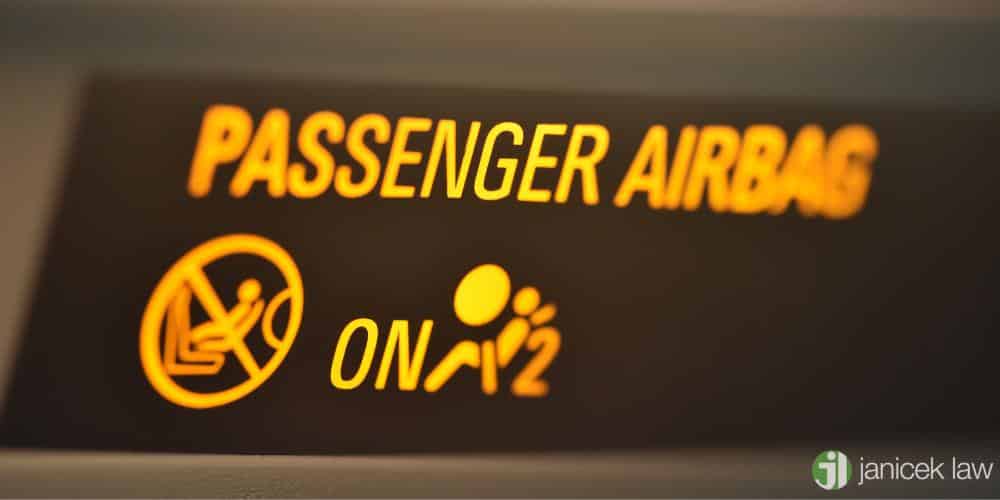
Airbags are designed to protect occupants who are sitting upright and buckled in. Some adults may not realize they are at a higher risk for being injured by an airbag. Sitting more than 10 inches away from airbag deployment zones is suggested, but shorter adults often have the seat closer to the steering wheel to reach the pedals. Unfortunately, this leaves drivers at more risk of being injured by the forceful impact of the airbag. Some drivers install an on/off switch for their airbags, but this can pose a danger by preventing the airbags from deploying in a crash.
While there is no surefire way to prevent an airbag injury, you can take some steps to reduce the risk of injury. This includes:
- Sitting at least 10 inches away from the steering wheel
- Sitting upright in the seat with a seat belt properly secured
- Ensuring children always sit in the rear seats
- Avoid driving during the later stages of pregnancy
What Can I Do After an Airbag Injury?
Airbag injuries can cause extensive (and expensive) injuries. After an airbag injury, it’s important to seek medical attention as soon as possible. Seeking medical attention will do two things: it will get you the care that you need and it will provide solid documentation of your injuries. Solid documentation will help prove your case later on. A personal injury claim can help you recover compensation for your losses after an injury. Depending on the details of your case, there may be multiple liable parties for your injuries. This legal process can quickly become overwhelming, but the attorneys at Janicek Law are ready to help guide you through.
Can I Recover Compensation for Airbag Injuries if the Accident Was My Fault in Texas?
Even if the accident was your fault, you can still recover compensation for injuries caused by defective or faulty airbags. Filing a personal injury lawsuit against the liable party can help you recover the compensation you and your family deserve. At Janicek Law, our experienced attorneys can perform a thorough investigation and determine the best strategy for your case.
Compensation For San Antonio Airbag Injury Victims
Car accidents can cause devastating injuries that often cost more than just hospital bills. The San Antonio personal injury attorneys at Janicek Law fight to recover compensation for:
- Hospital bills
- Lost wages
- Property damage
- Physical pain and suffering
- Emotional distress
- Permanent disability and disfigurement
- Loss of consortium
- Funeral and burial expenses, in the event of wrongful death
- And more!

Contact a San Antonio Airbag Injury Lawyer For a Free Consultation
At Janicek Law, our compassionate team understands the devastating consequences of an auto accident. Our team has been helping injured victims all over San Antonio fight for what they deserve for more than 25 years. We have the resources, knowledge, and experience to fight for a successful outcome in your case. We are ready to help you. Call us today to schedule a free consultation at 210-366-4949.
 Español de México